How to Get a Dosette Box from a Pharmacy in the UK: The Ultimate Patient & Caregiver Guide
Managing a complex medication regime can quickly become overwhelming. When you or an elderly family member are prescribed multiple different pills to take at completely different times of the day—such as breakfast, lunch, dinner, and bedtime—the risk of accidental missed doses or dangerous double-dosing rises significantly.
Fortunately, community pharmacies across the UK offer a highly effective solution known alternately as a “dosette box”, a “blister pack”, or formally within the NHS as a “Multi-Compartment Compliance Aid (MCA)”.
In this comprehensive guide, we will break down exactly what a dosette box is, how the system operates under the NHS, who is eligible to receive one for free, and the step-by-step process to request one from your local GP surgery or pharmacy hub today.
What is a Pharmacy Dosette Box?
A dosette box is a specially designed compliance tray that organizes a patient’s loose oral medications into individual, securely blister-sealed compartments based on the exact days of the week and the precise times of day they must be consumed.
Instead of opening four or five individual cardboard pill boxes every morning, a patient simply pops open the single designated plastic or foil cavity for that specific day and time (e.g., “Monday – Morning”).
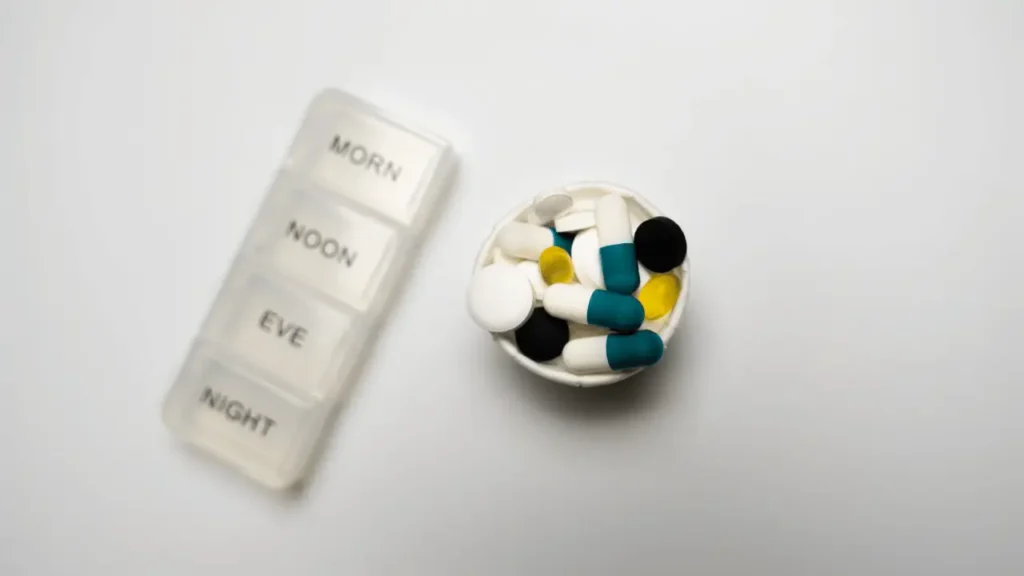
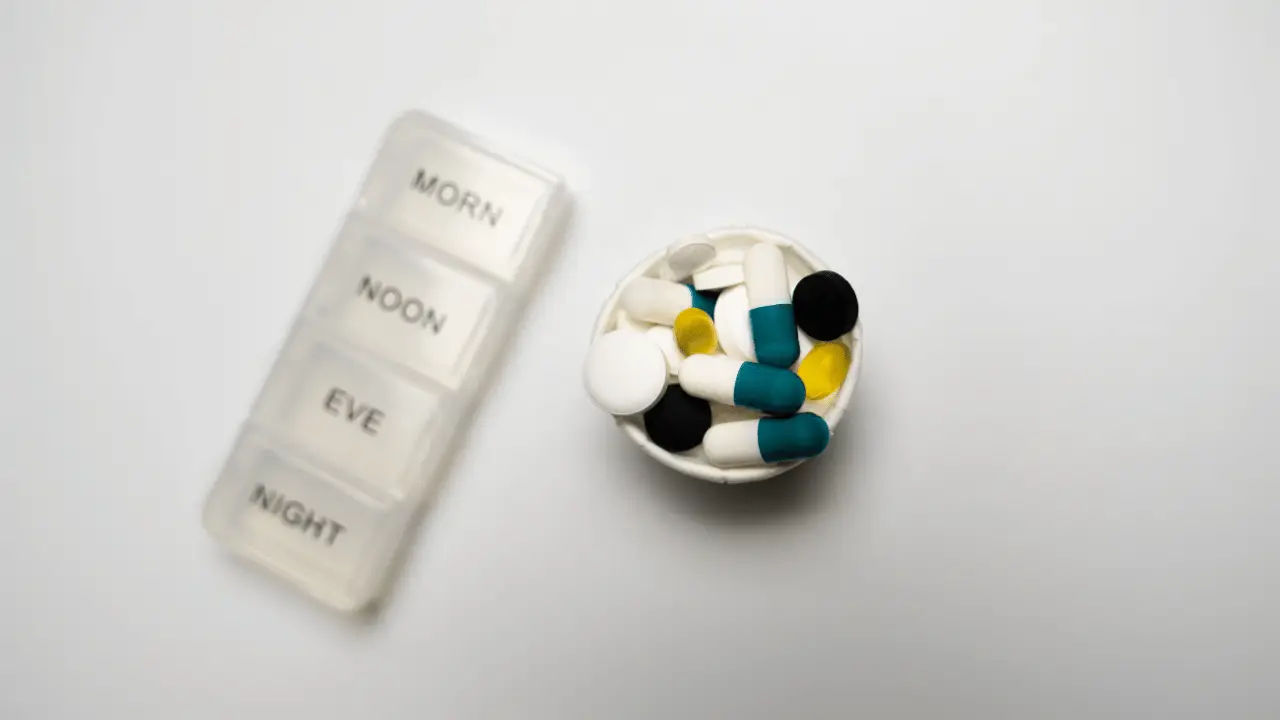
The Standard Dosette Box Layout Structure
Every tray prepared by a registered UK pharmacy is legally required to feature a comprehensive, typed dispensing label detailing the exact physical descriptions of each pill inside (including colors, shapes, and markings) to maintain absolute safety.
Can You Get a Dosette Box for Free on the NHS?
The short answer is “yes, but eligibility applies”. Under the “Equality Act 2010”, pharmacies are legally obligated to make “reasonable adjustments” to support patients who have a recognized disability or chronic condition that severely impacts their capacity to manage their own medications safely.
If a patient meets the strict assessment criteria under the Equality Act, the pharmacy will organize, pack, and dispense the weekly dosette box “completely free of charge”, and the NHS will absorb the logistical overhead.
Who Qualifies Natively for a Free NHS Blister Pack?
To determine if a free tray is appropriate, your pharmacist or GP will complete a formal assessment evaluating factors such as:
What if You Don't Meet the NHS Criteria?
If the assessment determines that a patient does not strictly qualify under the Equality Act (for example, if a patient simply wants a tray for personal travel convenience), the pharmacy cannot charge the NHS for the labor. However, many independent pharmacies will still offer to pack your medications into weekly dosette boxes for a modest, private monthly preparation fee, or allow you to purchase reusable, self-fill plastic pill organizers directly over the counter.
How to Order and Set Up Your Weekly Blister Packs
Step 1: Consult with Your Community Pharmacist
Your first step should always be an informal chat with your local pharmacist. They will review your current prescription list to ensure your medications are physically compatible with a blister pack. Note that certain treatments—such as effervescent soluble tablets, liquids, inhalers, creams, or volatile pills that rapidly absorb moisture from the air when removed from their original packaging (like glyceryl trinitrate)—cannot be placed into plastic trays.
Step 2: Request a Assessment Formal Review via Your GP
The pharmacy team will typically coordinate with your primary care GP surgery. In many areas, your family doctor must officially authorize the transition on your Electronic Prescription Service (EPS) profile. The doctor will update your repeat prescription instructions from standard “28-day boxes” to “7-day weekly interval prescriptions” so the pharmacy can legally release the fresh trays every 7 days.
Step 3: Formal Setup and Collection Alignment
Once approved, the clinical team will merge your various prescription timelines so they sync up perfectly. The pharmacy will build a dedicated file tracking your current dosages. From that point forward, you or your caregiver will collect a set of pre-arranged trays regularly, or the pharmacy will add you to their automated route for free home doorstep delivery.
Crucial Safety Rules for Using a Pharmacy Blister Pack
While dosette boxes significantly lower the risk of medication errors, caregivers and family members should observe the following professional safety tips:
- Storage Location: Always store compliance trays in a cool, dry place out of direct sunlight. Never keep them in damp environments like the bathroom or near a hot kitchen stove, as humidity can break down the integrity of loose pills inside the compartments.
- Prescription Changes: If your GP alters your medication mid-month (such as changing a dose or stopping a pill completely), “never try to dig the old pills out of the foil yourself”. Immediately return the active dosette boxes to your pharmacy hub so the clinical team can safely alter and re-label the tray under sterile conditions.
- Keep Out of Reach: Because dosette box compartments are designed to pop open easily for accessibility, they do not possess child-resistant locking features. Keep them securely out of the sight and reach of children and domestic pets.